




Throughout your life, your health care choices tend to be pretty narrow. When you’re a child, your health care is determined by your parents. Once you become an adult, if your workplace provides health care, you typically will be limited to two or three plans. And once you become a senior, you’ll likely face a binary decision: Original Medicare or Medicare Advantage.
Original Medicare consists of Parts A and B, which provide basic hospital and medical care – and if you want to augment that coverage, you typically need to participate in additional plans. Medicare Advantage, also referred to as Part C and offered by private insurers, tends to be more comprehensive.
Today, we’ll talk about why many Americans favor Medicare Advantage over Original Medicare.
Table of Contents
Medicare Advantage Strengths

Medicare Advantage’s strengths over Original Medicare mostly fall under two umbrellas: coverage and convenience.
Broadly speaking, Part C plans offer more health-related coverage than Part A and Part B. But while you get additional coverage, you typically don’t inherit additional bills to play.
Let’s look at the various attributes that make Medicare Advantage so … well, advantageous.
1. Usually Includes Dental Care
Original Medicare only covers dental services that are deemed medically necessary or if they are closely related to certain services, such as head or neck cancer-related treatments. Unfortunately, even if Original Medicare does foot the bill for medically necessary dental work, it typically won’t cover any follow-up care after the primary health condition has been treated. It doesn’t cover any preventive dental care.
However, about 98% of Medicare Advantage plans in 2024 offered dental care, according to health care nonprofit KFF.
The scope of dental services varies by plan. While some plans only provide preventative services, others offer additional coverage, such as dentures or crowns. Many plans have an annual dollar cap on how much they will pay toward services; plan participants might also be limited to only certain dental providers.
Still, having dental coverage included in a Medicare Advantage plan can be more affordable than getting separate dental insurance.
2. May Include Vision Coverage

Original Medicare provides an initial, one-time simple vision test during your “Welcome to Medicare” visit. It might also cover certain vision tests for people who have or are at risk for specific eye conditions. For instance, Part B will pay for an annual diabetic eye exam for participants with diabetes and diabetic retinopathy.
However, besides the initial eye exam and a few exceptions, Original Medicare doesn’t cover eye exams. It also doesn’t pay for contact lenses or prescription glasses.
Meanwhile, in 2024, all Medicare Advantage plans offered eye exams and/or eyeglasses, per KFF data.
The American Academy of Ophthalmology recommends you have a complete eye exam with an ophthalmologist every year or two after age 65. If you want to follow this recommendation, then, you would either need a Medicare Advantage plan (which would almost certainly offer eye exams); if you had Original Medicare, you would need to purchase separate vision insurance or pay out-of-pocket.
Related: 14 Ways Retirees Can Reduce Their Medicare Expenses
3. Out-of-Pocket Maximums

Original Medicare doesn’t set an out-of-pocket maximum. Comparatively, Medicare Advantage plans always have an annual out-of-pocket limit. After an enrollee reaches the plan’s limit, they don’t pay anything for the remainder of the year for services that Original Medicare covers.
The maximum out-of-pocket limit a Part C plan can set is $9,250 in 2026, but plans can set lower limits. Therefore, out-of-pocket costs vary by plan. T. Rowe Price estimates the annual median cost of out-of-pocket expenses for Part C is $700.
Related: Don’t Overpay for Medicare: How to Avoid the Late Enrollment Penalty
Do you want to get serious about saving and planning for retirement? Sign up for Retire With Riley, Young and the Invested’s free retirement planning newsletter.
4. Usually Includes Prescription Drug Coverage

Original Medicare doesn’t cover prescription drugs. People who have Medicare Parts A and B who want drug coverage must sign up for Part D.
While you aren’t allowed to enroll in both Parts C and D, Medicare Advantage plans almost always include prescription drug coverage. KFF data shows that in 2024, 97% of Part C enrollees in individual plans open for general enrollment were in plans that offered prescription drug coverage. (And if you’re worried about additional cost, consider this: About 75% of enrollees in individual Part C plans with prescription drug coverage paid no premium other than the Medicare Part B premium.)
Related: Health Care Costs in Retirement [Amounts & Types to Expect]
5. May Include Hearing Aids

Original Medicare enrollees who have been dealing with hearing loss or balance problems for at least 12 months are eligible to have their insurance cover a visit to an audiologist with no referral required. After that, qualifying patients can have a covered audiologist visit once every 12 months.
Unfortunately, if a medical professional determines you need hearing aids and exams for fitting them, you’re on your own for those costs. If you have mild to moderate hearing loss, you can buy over-the-counter hearing aids without an exam or prescription, however.
However, 96% of Medicare Advantage enrollees have plans that offer hearing exams and/or hearing aids, according to KFF.
Related: Retired But Too Young for Medicare? Health Insurance for Early Retirees
6. May Include an OTC Benefit
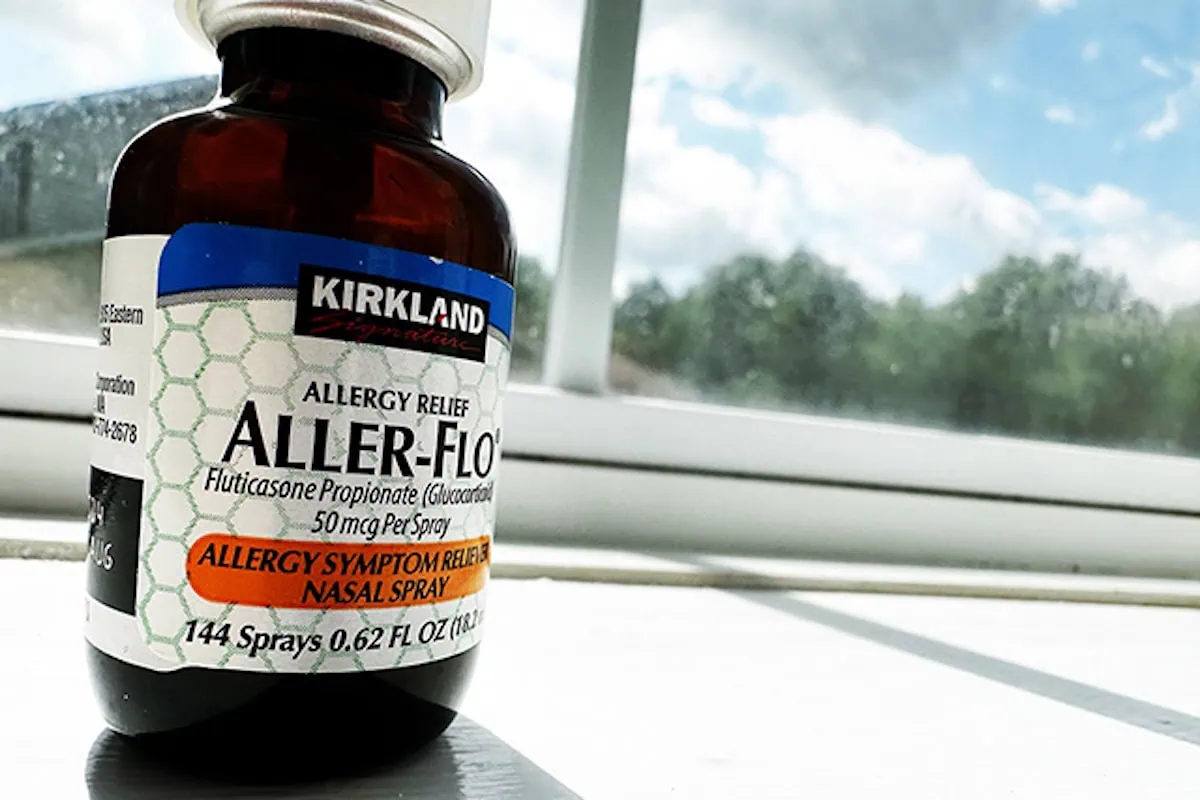
Over-the-counter (OTC) medicine and supplies are basically any items for minor ailments that can be bought without a prescription. A few examples include cough suppressants, bandages, and antihistamines.
Original Medicare doesn’t cover OTC items, but according to KFF data, 88% of Medicare Advantage plans offered enrollees an OTC benefit in 2024. This benefit is typically a monthly or quarterly fixed allowance for eligible products. (This is a “use it or lose it” benefit: Unused money doesn’t carry over at the end of the benefit period, but is forfeited instead.)
Make Young and the Invested your preferred news source on Google
Simply go to your preferences page and select the ✓ box for Young and the Invested. Once you’ve made this update, you’ll see Young and the Invested show up more often in Google’s “Top Stories” feed, as well as in a dedicated “From Your Sources” section on Google’s search results page.
7. Premium Simplicity

Medicare Advantage users still need to pay Part A and Part B monthly premiums, but for most people, Part A is free. The cost of Part C varies depending on location and the plan selected. Some plans have $0 premiums. Some will help cover some of the Part B premium.
Meanwhile, Original Medicare users who want more coverage may also have separate bills for Medigap, Part D, dental insurance, and vision insurance. The advantage of Medicare Advantage isn’t just more coverage, but the simplicity of that coverage all being consolidated into fewer bills.
If you consider yourself financially unorganized, having fewer line-item premiums to worry about could significantly lower your stress levels.
Related: Here’s How You Can Lose Medicare [And How You Won’t]
Is There Any Reason to Choose Original Medicare?
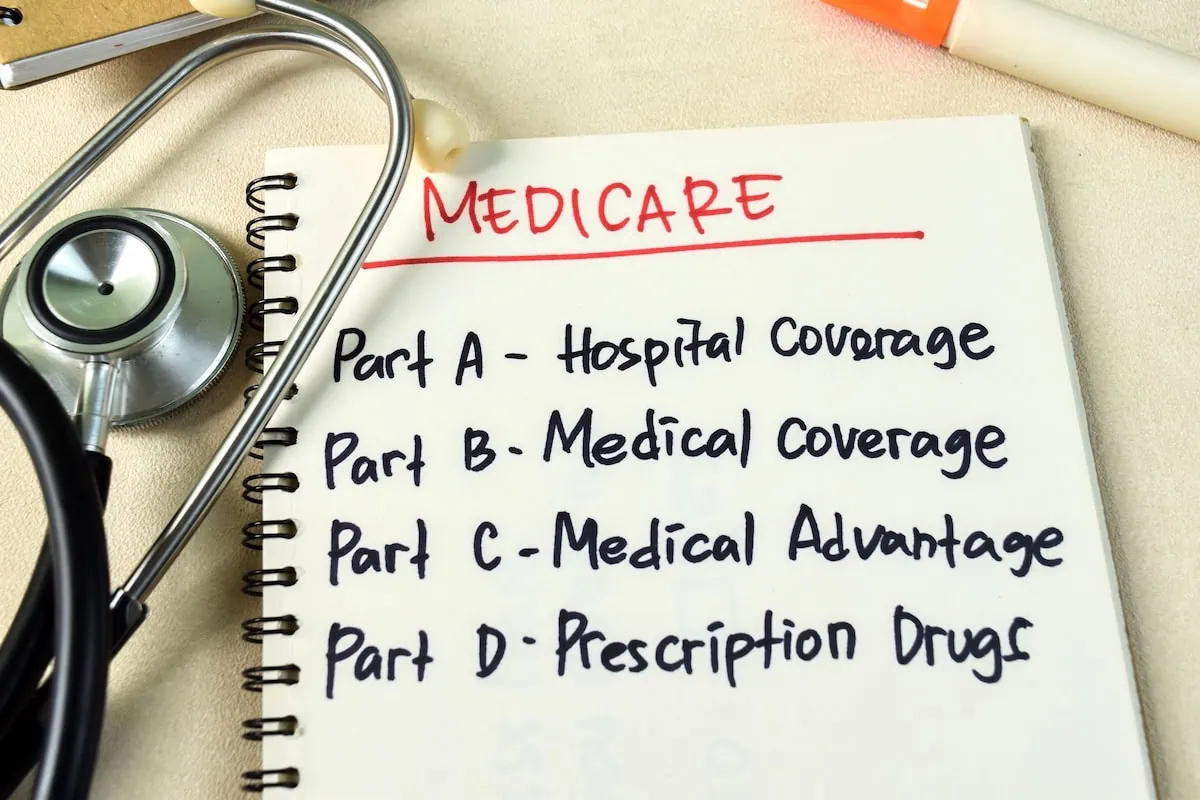
Considering all the benefits of Medicare Advantage, why would anyone choose Original Medicare?
The most prominent benefit of Original Medicare is that users can go to any doctor or hospital that takes Medicare, anywhere in the 50 states, the District of Columbia, Puerto Rico, Guam, the U.S. Virgin Islands, the Northern Mariana Islands, and American Samoa. And the vast majority of doctors accept Original Medicare.
Comparatively, for non-emergency care, Medicare Advantage users generally have to use doctors and other providers within the plan’s network and service area.
Meanwhile, Part C users might need a referral to see a specialist, whereas Original Medicare enrollees usually don’t need a referral.
Also, for their shortcomings, Part A and Part B do allow users to enroll in Part D to get prescription drugs and Medicare Supplement Insurance (Medigap), which fixes some of the holes in coverage.
So the choice isn’t as clear-cut as it might seem. Depending on the person, Original Medicare might actually be the better option.
Related: 10 Things Original Medicare Doesn’t Cover
When Should You Take Social Security?

Social Security is a pillar of many older Americans’ retirement income. Typically, around 90% of people age 65 and older are collecting Social Security benefits at any given time.
But while most of us will end up on Social Security, when we choose to start collecting benefits will differ from person to person. Our guide to Social Security timing may help you decide.
How Does the 4% Rule Work? [And Why Did It Change?]

One of the most popular retirement withdrawal strategies of the past few decades has been the unfussy “4% rule.” It’s one of the most straightforward rules you’ll come across in finance, even as its creator has made a few tweaks to it over the years.
How does the 4% rule work, how has it changed, and can it help guide your retirement? Check out our primer on the 4% rule.
Please Don’t Forget to Like, Follow and Comment

Did you find this article helpful? We’d love to hear your thoughts! Leave a comment with the box on the left-hand side of the screen and share your thoughts.
Also, do you want to stay up-to-date on our latest content?
1. Follow us by clicking the [+ Follow] button above,
2. Subscribe to Retire With Riley, our free weekly retirement planning newsletter, and
3. Give the article a Thumbs Up on the top-left side of the screen.
4. And lastly, if you think this information would benefit your friends and family, don’t hesitate to share it with them!