



Acorns Early and Greenlight are two competing companies that offer debit cards for kids and teens. Both feature parental controls, transaction notifications, spending limits and other useful features that give parents insight and control into their kids’ money decisions.
While both offer similar features, they differ in some ways in terms of features, functionality and price—with each potentially offering a better value proposition than the other, depending on your unique circumstances and family situation.
In this Acorns Early vs. Greenlight comparison, we take a look at each prepaid debit card for kids to see which one is the best debit card for teens.
Making a choice between these two cards will depend on what your child’s needs are, how much access you want to have over their financial decisions and what you hope to accomplish with these powerful tools for building financial literacy and personal finance responsibility.
Let’s dive in to learn more about Greenlight vs. Acorns Early!
Acorns Early vs. Greenlight
  |  |
|
|---|---|---|
| WealthUpdate Rating | ☆ 4.4 / 5 | ☆ 4.8 / 5 |
| App Store Rating | ☆ 4.6 / 5 | ☆ 4.8 / 5 |
| Price* | Acorns Early Lite: Free 30-day trial, then $8/mo. Acorns Gold (Includes Acorns Early Invest): $12/mo. | Core: $5.99/mo. Max: $10.98/mo. Infinity: $15.98/mo. Family Shield: $19.98/mo. |
| Billing | Monthly | Monthly |
| Special Offer | Free 1-month trial | N/A |
| Allowed Cards Per Subscription | 4 | 5 |
| Minimum Age** | 6 | No |
| Features That Make This Card Stand Apart | Videos and quizzes that teach money skills, excellent customer service | Exceptional parent controls; Max, Infinity, Family Shield: Identity theft, purchase, and phone protection |
Basics | | |
| Spending | Yes | Yes |
| Saving | Yes | Yes |
| Investing | ETFs (Acorns Gold plan only) | Stocks and ETFs (Max, Infinity, Family Shield plans) |
| Giving/Donating | Yes | Yes |
Funding | | |
| Funding Source(s) | Debit card, credit card (Does not accept AmEx) | Bank account, debit card, Venmo, PayPal |
| Direct Deposit | Yes | Yes |
| Allowance | Yes | Yes |
| Chores | Yes | Yes |
| Gifting | Yes | Yes |
| Cash Reload Fee | N/A (No cash reload) | N/A (No cash reload) |
Saving/Spending | | |
| Savings APY | 3.35% (on emergency savings) | Core: 2% Max: 3% Infinity: 5% Family Shield: 6% |
| Round-Ups | No | Yes |
| Other Savings Features | Parent-Paid Interest | Parent-Paid Interest |
| ATM Network | Allpoint (55,000+ ATMs) | None |
| ATM Transaction Fee | None at in-network ATMs. Third-party fees may apply at out-of-network ATMs | $0 (Greenlight does not charge an ATM fee, but it is not part of an ATM network, so an ATM operator fee will apply) |
| Card Network | Visa | Mastercard |
| Compatible Mobile Wallets | Apple Pay, Google Pay | Apple Pay, Google Pay |
Parents | | |
| Parental Controls | High (Single-transaction and/or weekly spending limits, transaction type-level controls) | High (Store-level controls and limit setting) |
| Parental Monitoring | Yes | Yes |
| Parental Notifications | Yes | Yes |
Other Features | | |
| Cash Back | No | Core: No Max, Infinity, Family Shield: 1% |
| Builds Credit | No | No |
| Customization options | Yes, 45+ options | Any image you want |
| Refund Policy | No refunds given, month-to-month pricing | No refunds given, month-to-month pricing |
|  |
|
| * Prices do not include processing fees when applicable. ** Many cards have different suggested minimum ages. We are only listing any hard-and-fast minimum age requirements. |
||
What Are Debit Cards for Kids and Teens?

Due to legal reasons tied to lack of capacity, minors do not have the ability to enter into legal contracts. As a result, children can’t open their own bank account until they reach the age of majority in their state—often 18 years old.
Parents interested in offering their kids a bank account and paired debit card can still choose a number of possible paths:
1) Opening a sub account from their own bank account.
This can provide your kids with a card to use while you can maintain control over the account itself. Under this situation, it’s still likely that your child will need to be at least 13 years old before receiving a debit card.
However, these accounts may not come with the features you want for maintaining control over your child’s spending habits.
2) Opening a debit card for teens (minors).
This route understands parents’ desires to teach their kids about money, while providing sufficient parental controls and oversight to make sure a child’s spending and money decisions are smart.
To accomplish this mission, debit cards for teens offer parents custom spending controls, spending notifications, merchant blocking, daily and ATM spending limits, plus other controls enabled through feature-filled mobile apps.
Some new apps even allow you to lock the card or limit where your child spends money.
These cards also effectively function as a prepaid debit card because you can establish parental controls. Traditional banks or prepaid debit cards might not allow you to do this beyond keeping the account balance at a certain level.
Should You Get a Debit Card for Teens and Kids?

Kids learn best with their hands and by experiencing things in person. That’s why starting a savings goal with a physical piggy bank can materialize the concept of saving in their minds.
This tangible aspect makes it real for them and gives them a connection to money.
With enough time, however, you can move this money management to the modern, digital-first world, relying on what has become an increasingly common way to handle money.
Having a debit card for kids and teens addresses several areas of parental concern simultaneously:
- Parental controls. By having significant control over how kids are spending money, withdrawing money from ATMs, or working toward savings goals, debit cards for kids can provide ideal levels of control to parents and not need to worry about spending cash without their knowing. Setting spending controls or spending limits can provide significant peace of mind.
- Avoids cash. Closely related to parental controls, having plastic in the pocket of your kid avoids needing to hand over cash, go by the ATM or grocery store, or risk losing it altogether. Debit cards for kids provide security over your money with the convenience of transferring money with a few taps of the mobile app linked to your cards.
- Educational resource. These cards offer ample financial resources to learn about money, but also have controls in place before many transactions occur. This forces a conversation between parents and kids, allowing you to teach your kids about numerous financial lessons in advance of a decision getting made.
- Spending control. I know what you’re thinking: Didn’t he already talk about parental controls above? Yes, but I mean “spending control” from the personal finance point-of-view. Meaning, kids have to control their own spending because a debit card forces you to live within your means, making it impossible to use tomorrow’s dollars to fund today’s purchases. These limits from a card can help to develop a stronger sense of financial literacy by navigating these everyday decisions with today’s dollars, not tomorrow’s potential profit. These cards don’t act like a credit card, allowing you to spend what you don’t currently have through borrowing.
While a debit card for kids can provide the above benefits, making cash possibly a thing of the past, you don’t necessarily need to forsake one entirely for the other. Having money held in cash and on your card and account can make good financial sense.
Though, for the reasons above and the added convenience, I find initiating a digital account transfer from your account to their account is far easier than driving to the bank to get money out of the ATM.
If these sound like good reasons to consider getting a prepaid debit card for your kid, have a look at two of the best debit cards for kids and teens: the Greenlight debit card and Acorns Early debit card.
Be sure to check out my full list of best debit cards for teens to learn about other options in this market.
Related: 10 Best Banking Apps for Kids & Teens [Kid + Teen Banking]
What Is the Best Prepaid Debit Card for a Teenager?
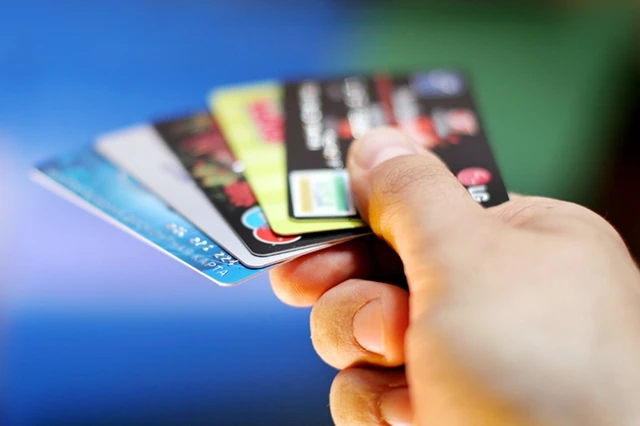
A prepaid card is a type of payment card that can be loaded with money in advance and then used to purchase goods or services without incurring debt from the issuer.
In other words, these aren’t credit cards which borrow against a line of credit, allowing you to repay them each monthly billing cycle. Instead, prepaid cards require you to front the money on your card and spend down the balance until you next reload it.
Prepaid debit cards for kids enable them to:
- have money to spend in stores and online
- have a card that looks like a debit card or credit card
- avoids a non-sufficient funds, withdrawal or transaction fee (other fees may apply, however)
- pairs with a mobile app that offers security features, parental controls to set spending limits, money management tools, saving features, and more
Some even double as allowance and chore apps for kids, empowering parents to pay weekly allowance after determining whether their kids have completed their chores.
With these features in mind, let’s take a look at which company, Greenlight vs. Acorns Early, makes the best prepaid debit card for teenagers.
Related:
- How Do Prepaid Debit Cards Work? What You Need to Know
- Opening a Child Bank Account with Debit Card
- How Parents Can Help Their Children Start to Build Credit
Greenlight vs. Acorns Early Prepaid Debit Cards

If you’ve made it this far, you’ll know both Greenlight and Acorns Early are debit cards for kids and teens that allow parents to:
- Set spending limits
- Control where their kids spend money
- Teach their children about money
With these starter banking products, parents can eventually introduce other important financial tools like a checking account and savings account, or even credit cards and the idea of interest.
The main differences between these two prepaid debit cards? Greenlight is generally a more cost-efficient experience, for one. Its non-investing tier is cheaper than Acorns Early’s, and the first of its investing-capable tiers charges less per month, too. For those willing to pay more, Greenlight also offers a much more comprehensive suite of protection features.
Still, Acorns’ product for kids is no slouch, so let’s take a look at Greenlight vs. Acorns Early.
|
Our Pick: Greenlight

|
Runner-Up: Acorns Early

|
|
Primary Rating:
4.8
|
Primary Rating:
4.4
|
Acorns Early vs. Greenlight: Similarities
Given that both of these are prepaid debit cards for kids, these banking products have more similarities than differences.
Features
- Use spending controls to set spending limits
- No card reload fees
- No transaction fees
- Can track chores and act as an allowance app
- Can have multiple family members participate simultaneously though parent account(s) and child account(s)
- Provide real-time spending alerts to parents
- Offer custom cards (at different price points)
- No overdraft fees (not a teen checking account)
- Multiple funding options (e.g., instant transfers from parents’ bank account or parent wallet)
- Can send gifts through various means (sending links) through the app
- Ability to “give” and donate money to charity through the app
- Each app has a high Apple App Store rating (4.8 for Greenlight, 4.7 for Acorns Early)
- Provide customer service and support (hours differ, based on prepaid card plan chosen)
Bank Accounts
Both prepaid debit card for kids accounts have the following bank account features in common:
FDIC Insured
FDIC insured up to $250,000 on account balance through the same banking partner/card issuer (Community Federal Savings Bank).
Prepaid Debit Mastercard
Greenlight uses Mastercard as its payment network processor, while Acorns Early uses both Visa and Mastercard.
Account Balance Available through Mobile App
Both Acorns Early and Greenlight let you check debit card account balances through the mobile app. You can also check savings and investment balances.
Establish Savings Goals
You can establish savings goals through each app, which is linked to its debit card for kids.
Greenlight now plays interest of up to 2% on savings goals in the General Savings account for the Greenlight Core plan, 3% for Greenlight Max, 5% for Greenlight Infinity, and 6% for Greenlight Family Shield. (Greenlight’s General Savings account is not a separate account, but rather a “General Savings” designation on funds dedicated toward savings. They do not reside in a savings account or other checking account.)
Additionally, the Greenlight debit card allows you to use Parent-Paid Interest, which is an annual percentage rate that you set for your child’s General Savings in the Greenlight app. Their account will earn the interest on the first of each month and all you have to do is set up the money transfer into their account from your parent’s wallet. Greenlight calculates and pays interest monthly based on the average daily balance of your child’s “Total Savings” for the previous month. This represents the total amount saved between General Savings and Savings Goals.
With Parent-Paid Interest, you can choose how much interest their savings earns. If you want your kid to earn a lot, then you can set your Parent-Paid interest to pay up to 100% interest.
Acorns Early also allows you to set up savings goals in your kid’s account. A child can establish goals for how they save their money and put part of their allowance toward this goal each week. And parents can also pay interest on Acorns Early savings balances.
Direct Deposit
Both accounts offer kids and teens the ability to link their paychecks to their card through direct deposit.
Apple Pay and Google Pay
With both Acorns Early and Greenlight, kids who meet the minimum age requirements for using Apple Pay and Google Pay may use these services through their phones.
Related:
- Greenlight is a financial solution for kids that allows them to spend with a debit card, earn money on savings, and even invest their money.
- Parents can use this app to teach kids how to invest with a brokerage account through Greenlight Max, Infinity, and Family Shield plans.
- Greenlight offers flexible parental controls for each child and real-time notifications of each transaction. And it's the only debit card that lets you choose the exact stores where kids can spend on the card.
- Greenlight also provides educational materials such as "Level Up" lessons that simplify investing concepts, as well as videos about their favorite companies.
- Families can earn 2% (Core), 3% (Max), 5% (Infinity), or 6% (Family Shield) per annum on their average daily savings balance of up to $5,000 per family. Also, Max and Infinity families can earn 1% cash back on their monthly expenditures.
- Unlike many apps that simply provide features and controls, Greenlight is also designed to spark discussions with children about spending, investing, and more, fostering a better educational experience.
- Best-in-class parental controls (can prohibit specific stores)
- Can add brokerage account to invest in stocks
- Intuitive Parent and Kid apps
- Competitive cash back and interest rates
- High price points
- No cash reload options
- No parent / child lending
Fees

No Overdraft Fees
Neither card charges overdraft fees because they provide prepaid cards. If you don’t have the money to spend, you can’t overdraft the card balance. Unlike with a checking account, which can assess an overdraft fee.
Monthly Fee
Both services make money through assessing a monthly fee. The monthly fee varies by number of cards on Acorns Early as well as by plan chosen on Greenlight Debit Card. (We’ll share more details on the monthly fee differences below.)
No Transaction Fee
Neither debit card for kids assesses a transaction fee for purchases made with the card.
|
Our Pick: Greenlight
|
Runner-Up: Acorns Early
|
|
Primary Rating:
4.8
|
Primary Rating:
4.4
|
Acorns Early vs. Greenlight: Differences
Just as there are many similarities between Acorns Early vs. Greenlight, there are also differences well worth noting. These will likely be the reasons you choose one card over another.
Related: 11 Best Debit Cards for Kids [2026]
Features
Investing App Capability
Greenlight vs. Acorns Early both allow kids to invest in stocks and exchange-traded funds, but they’re somewhat different and only come with certain plans.
Greenlight is a traditional brokerage account that allows kids to invest in stocks and ETFs (including kid-friendly stocks). Kids can actually make investment choices (from thousands of stocks and ETFs), then the parent can either approve or deny the trade. Greenlight investing capabilities are available with the Max, Infinity, and Family Shield plans.
Acorns Early is a Uniform Transfer/Gift to Minors Account (UTMA/UGMA) that has a variety of rules concerning how the money must be spent. There is no formal mechanism for the child to invest, though you can informally allow them to have input into any investment choices you make.
Age Ranges
Greenlight and Acorns Early are both appropriate for ages 6 through 18, though the former technically doesn’t have age restrictions.
Interest Payments
All Greenlight plans pay interest on savings: 2% for Core, 3% for Max, 5% for Infinity, and 6% for Family Shield.
Acorns Early pays an APY on emergency savings. The APY is variable; you can find the current level of interest in the box below.
- Acorns Early is a debit card and financial app designed to provide education, experience, and confidence in saving, spending, and earning, to kids ages 6-18.
- Accounts come with a smart money app and up to 4 Visa debit cards, which allows your kids to spend in stores and online, and withdraw money from ATMs.
- Kids can also earn allowance, complete chores for money, set savings goals, even give to charity.
- Parents can rest easy knowing there are plenty of guardrails in place, including chip-and-PIN technology, fraud protection, and parental controls such as spending notifications, card locking, and adjustable spending limits.
- Acorns Early also provides educational resources tailored for kids of all ages, as well as sterling customer service (including everyday phone availability and 24/7 chat).
- All of the above is available via the Acorns Early Lite subscription.
- An Acorns Gold subscription delivers everything in Acorns Early Lite, as well as access to Acorns Early Invest (a UGMA/UTMA custodial account where you can save toward your kids' future and get a 1% match on up to $7,000 in contributions annually). Parents also enjoy banking and investing features such as an IRA with a 3% match for your first year, a high APY on emergency savings, Acorns' "Round-Ups," and more.
- Special offer (1): Get a free 30-day trial and $5 allowance when you sign up for Acorns Early Lite.
- Special offer (2): Get a $20 bonus investment when you sign up for Acorns Gold.
- Strong parental controls (including card-use controls and adjustable spending limits)
- Chores and allowance
- FDIC insurance
- Allows for ACH payments
- Convenient "Giftlinks" for non-accountholders to give money to kids' accounts
- Customizable cards (with fee)
- Must sign up for Acorns Gold to get investing
- No fee-free ATM network
Bank Accounts
Spending Controls
Greenlight provides store-level spending limits as well as the ability to lock and unlock all spending. In other words, turning off the spend function on the cards.
Acorns Early allows you to lock and unlock spending as well, but it also provides the ability to cut off spending for online and in-store as well as cut off access to ATMs, shutting down an ATM fee from accruing or your kid accessing cash.
Maximum Card Balance
Greenlight allows up to $15,000 per parent account and $7,000 per child account. Acorns Early has a $6,000 maximum across all accounts.
Fees
Monthly Fee
Both Greenlight and Acorns Early allow for multiple children across all their plans.
Acorns Early Lite, which does not include investing, costs $8 per month. Acorns Gold, for $12 per month, allows for investing. Both accounts support up to four debit cards for kids.
Greenlight’s monthly plan costs are $5.99 (Core), $10.98 (Max), $15.98 (Infinity), and $19.98 (Family Shield.). All Greenlight plans support up to five cards.
ATM Fee
Acorns Early debit cards can be used fee-free at more than 55,000 ATMs in the Allpoint network, though out-of-network machines might charge third-party fees. Greenlight is not associated with an ATM network, so use of the card will incur third-party fees at any ATM.
Custom Card Fees
Greenlight allows you to customize your prepaid debit cards, but it costs $9.99 each. Acorns Early’s custom cards come at a lower price point: $5.
Card Replacement Fee
Greenlight grants your first replacement card for free, though subsequent replacement cards are $3.50 per card. Additionally, you can pay $24.99 to get expedited delivery instead of the standard 7-to-10-business-day delivery.
Acorns Early charges a $5 card replacement fee if changing designs on the card. If the design remains the same, there is no fee for kids who lose their card or otherwise need it replaced.
How to Choose the Best Prepaid Debit Card for Your Family

Make no mistake: Each debit card for kids has a significant number of features which make the card a great choice to have for building financial literacy and responsibility in your family. However, there are some real differences related to price, fees and features you should consider.
Greenlight is generally the fee-friendlier service unless you want its higher-end security features. For instance, the Infinity plan provides family location sharing, crash detection, SOS alerts, and real-time driving reports. Family Shield adds financial account monitoring, credit monitoring, dark web monitoring, credit lock, suspicious activity alerts, up to $100,000 in “deceptive transfer fraud” coverage, and up to $1 million in identity theft coverage.
Lastly, Greenlight allows kids to be more involved, and have more independence, as they learn how to invest.
|
Our Pick: Greenlight
|
Runner-Up: Acorns Early
|
|
Primary Rating:
4.8
|
Primary Rating:
4.4
|
Related: Greenlight vs. FamZoo