




You have to eat to survive. Period. There’s no way around it. But what do you do when every grocery shopping trip seems more expensive than the last?
On the upside, food inflation is technically slowing. According to the Bureau of Labor Statistics, food prices in November 2022 spiked 10.6% year-over-year … but in November 2023, food prices had risen by “just” 2.9% in a year’s time. Fortunately, those gains appear to have softened a great deal with at-home food prices rising just 1.6% in the twelve months leading up to November 2024 over the preceding 12-month period. On the downside, that’s a larger grocery bill yet again, but the rate of growth has practically flat-lined. Still, since that hasn’t turned negative, prices are still elevated and you’re likely looking for ways to lower what you spend on food.
Consumers need to do something, and that something can’t be “eat less.” That means as food prices continue to climb, people need to utilize every way possible to save money at the grocery checkout line.
What can you do to fight back against higher food prices without emptying your cart? Let me share with you several commonsense tips on how to save money on groceries.
Featured Financial Products
Table of Contents
Money-Saving Tips for Grocery Stores

This is far from an either/or list—the more of these strategies you use when buying groceries, the more money you can save.
Tip #1: Make a Grocery Shopping List

Some shoppers decide they’re out of a few things, so they go to the store, idly roam the aisles, and see what products appeal to them that day. Other shoppers write out a list of what they need, take that list to the store, and only buy what’s on the list.
If you’re in the latter category, you’re a lot less likely to fall victim to impulse purchases.
Trust me: If you wander into Trader Joe’s without a plan, something will spark your interest and magically float into your basket. And that’s one way to artificially inflate your grocery bill.
Writing a list (and actually sticking to it) will shelter your grocery budget from spur-of-the-moment buys. Plus, you won’t forget any items and waste gas making multiple shopping trips!
Tip #2: Use Curbside Pickup

If your grocery store offers curbside pickup, use it.
To start with, curbside pickup also helps to reduce impulse buys—after all, if you’re not roaming the store, you can’t grab anything that isn’t on your list. Also, buying groceries through an app or website makes it simple to compare prices and target only items that are on sale. Lastly, shopping online does the number-crunching for you, which could help you stay within your budget.
While grocery delivery is even more convenient, it might not help you save money. You usually have to pay a fee, and you should tip the driver, if you have your groceries delivered. Conversely, some grocery stores allow for free pickup, while others only charge a nominal fee.
Related: 31 Millennial Spending Habits & Income Statistics to Know
Tip #3: Shop Multiple Stores for Different Products

You very well could save money by doing your shopping at more than one store.
Different types of products can be cheaper at different grocers (and other stores). As a for-instance, hygiene products are often cheaper at stores like Target and Walmart than they are at grocery stores. So if that’s the case for your local stores, make the occasional journey elsewhere to stock up on different products.
Use this tip cautiously, though, because what you save on product prices, you could end up losing in gas costs.
Related: 10 Senior Discounts for Restaurants + Grocery Stores
Tip #4: Repeatedly Compare Prices

Tip #4 is a form of comparison shopping—that is, compare a product’s price from one store to the next.
But you should also compare a product’s prices against competing products … and even its own prices!
Per the former: If you’re not a brand loyalist, you can save a lot by buying a competitor’s version of a product, or even the store-brand version. We’re not necessarily telling you to replace Coca-Cola with Pepsi, but you probably won’t find much difference past price between, say, two brands of salt or two brands of pepper.
Per the latter: Especially if you buy certain products frequently, you should keep tabs of what that product costs over the course of time. If you keep track of chicken breasts and see that they typically cost $3.00 per pound, then you notice a price reduction to $2.50 per pound, you can jump on the opportunity to save.
Young and the Invested Tip: Don’t just keep track of price, either! Some goods’ prices might stay the same, but the producer will simply shrink the goods’ size—a phenomenon called “shrinkflation.” So make sure you’re also paying attention to package size so you know you’re getting the best deals.
Related: How to Achieve Financial Minimalist to Reduce Stress
Do you want to get serious about saving and planning for retirement? Sign up for Retire With Riley, Young and the Invested’s free retirement planning newsletter.
Tip #5: Use What You Have

Before your next grocery store visit, scour every inch of your pantry, and see if you can make any upcoming meals based completely on the ingredients you already have (or if you only need to buy a couple things to make the meals complete).
It’s extremely common to purchase food with a plan in mind, then let that food migrate to the back of your pantry shelves or refrigerator. Being more conscious about using up whatever you have on hand will 1.) ensure you use food before it expires and is wasted, and 2.) keep you from accidentally purchasing items you already have.
Both of these things will in turn save you money on your next shopping trip.
Related: 10 ‘Frugal’ Habits That Aren’t Actually Saving You Money
Featured Financial Products
Tip #6: Buy Items in Bulk
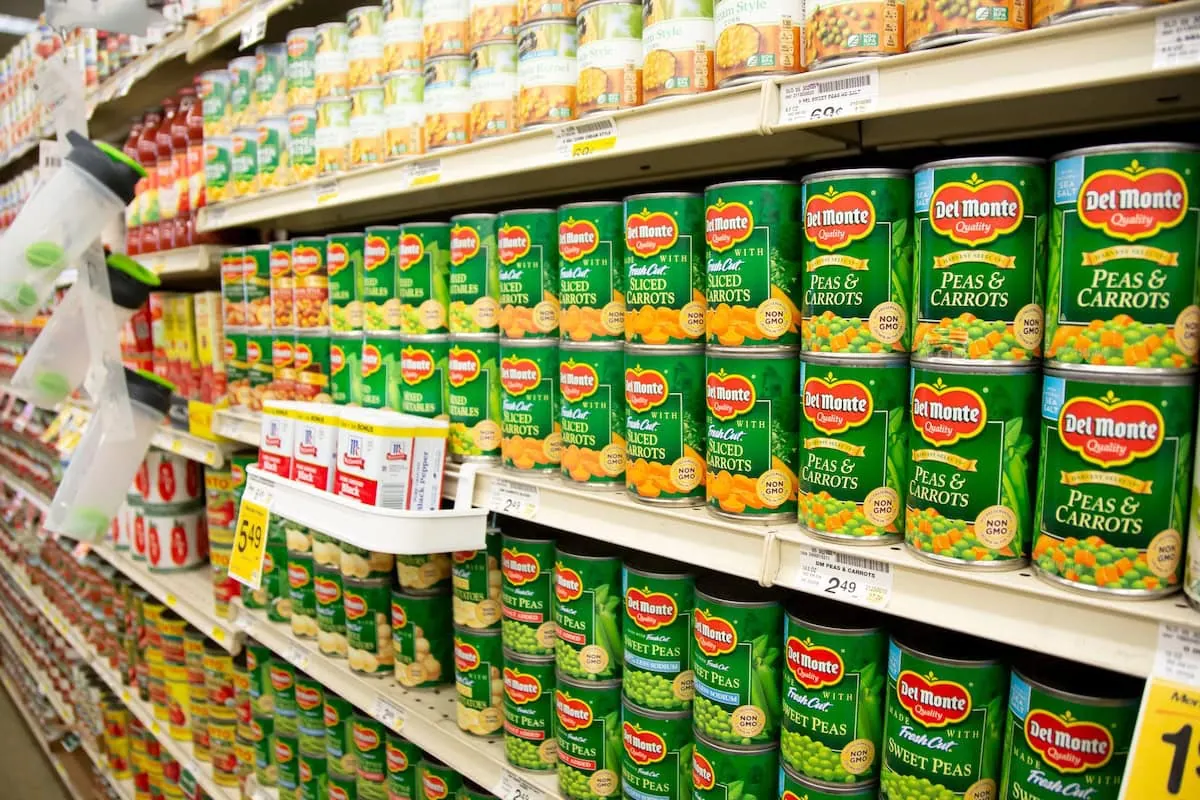
Buying food and other items in bulk is a popular strategy for saving money. Bulk food, toiletries, and other goods are typically cheaper per item, per ounce, etc. Yes, you’ll have to pay more money upfront, but your buck will stretch farther—and you won’t need to go shopping as often, helping you save on gas, too.
You can get some bulk items from regular grocery stores. However, many people prefer to buy in bulk from a wholesale club, such as Costco or Sam’s Club. These stores typically require you to be a member, which involves an annual fee, so if you rarely buy in bulk, the savings might not exceed the membership fee. But frequent bulk buyers can more than make up for the fee—and enjoy savings on other goods and services, from gas to tire replacements to vision care.
Be smart about bulk, though—not every item should be bought in super-sized quantities. Specifically, don’t buy anything in bulk that can easily spoil or expire unless you know you can use all of the product before the expiration date.
Like Young and the Invested’s content? Be sure to follow us.
Tip #7: Only Buy In-Season Produce
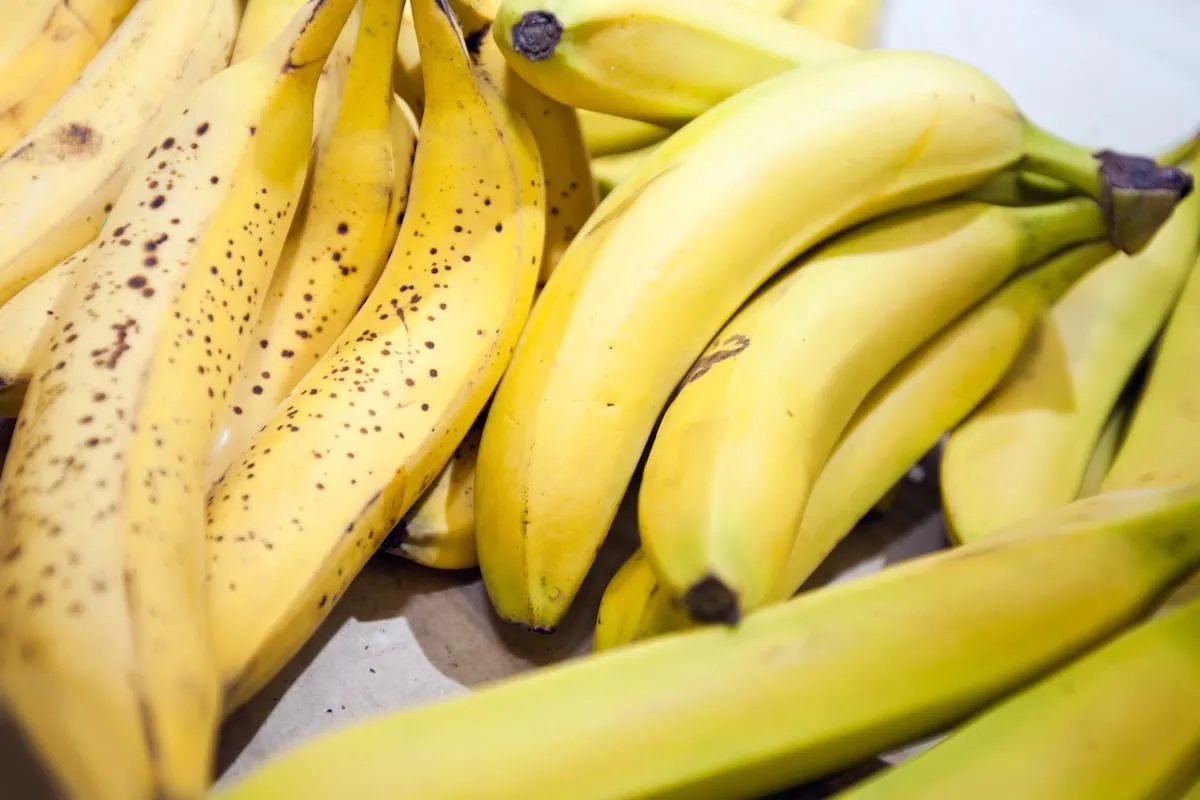
Your local grocery store might always carry strawberries, but have you ever taken a close look at prices throughout the year? Believe it or not, they can vary widely. That’s because fresh fruits and vegetables are typically cheaper when they’re in-season, and more expensive when they’re out-of-season. So the money-smart way to buy produce is to buy it when it’s in-season.
And if you do get a craving for out-of-season produce, consider buying the frozen version. (And even better, the next time your favorite frozen fruit or veggies are on sale, stock up so you’re ready for the offseason.) As long as there are no added sugars or other ingredients added, frozen produce maintains its nutritional value. It can even be more nutritious than “fresh” food that was shipped from far away and left on store shelves for a long time.
Make Young and the Invested your preferred news source on Google
Simply go to your preferences page and select the ✓ box for Young and the Invested. Once you’ve made this update, you’ll see Young and the Invested show up more often in Google’s “Top Stories” feed, as well as in a dedicated “From Your Sources” section on Google’s search results page.
Tip #8: Use Coupons/Shop Sales
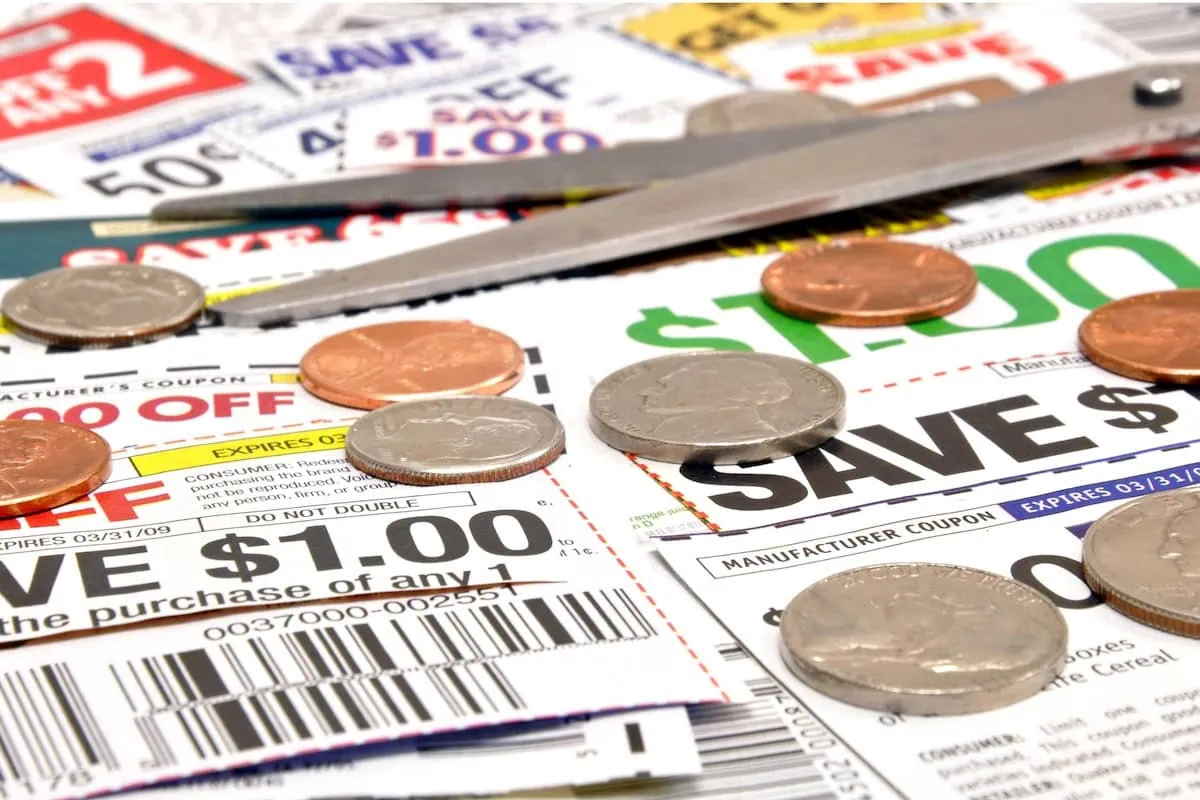
There’s nothing novel about clipping coupons and/or buying items that are on sale, but these are still two of the best time-tested ways of saving money at the grocery store.
Indeed, rather than put together a grocery list and hope what they’re buying is on sale, many savvy grocery shoppers actually plan their meals around sale-priced items. Is there a boffo sale on steak? Stock up and make a few fresh meals from it, and freeze the rest to be used when steak isn’t on sale. Have a coupon for raspberries? Well, apple pie can wait a couple of weeks.
Related: 12 AARP Discounts + Benefits You Don’t Want to Miss
Tip #9: Use Couponing Apps

Here’s some good news: You don’t have to cut out physical coupons to save money on groceries. You can “clip” the coupons through an app (in fact, some grocery stores have app-exclusive coupons), and some apps will automatically find virtual coupons for you. In fact, this method can get you the best deals on a variety of products—not just food.
The best coupon app for you depends on where you make most of your grocery purchases. For instance, if you frequently shop at Target, getting Target Circle might make sense. And if you love Whole Foods (and a host of other stores, for that matter), you might want to consider downloading Capital One Shopping.
The Capital One Shopping app applies the best available deals at checkout, potentially giving you some jaw-dropping prices. Plus, the service offers rewards you can redeem for free gift cards. Users can also put items on a watchlist, and the app will notify them when the item goes on sale (or if the price otherwise drops).
Related: 50+ Best Money-Making Apps That Pay You Real Money
Tip #10: Know The Best Days to Shop

When you shop can be just as important as where you shop.
Grocery stores usually have a consistent sales schedule. So if you pay close enough attention, you might notice that far more items are on sale on specific days of the week, or that certain special deals only occur on certain days.
Pay attention to these calendar-specific discounting trends. Saving more money could be as simple as changing your weekly grocery run from Sunday to Wednesday.
Related: How to Get Free Stocks for Signing Up: 9 Apps w/Free Shares
Tip #11: Make Freezer Meals

You’ve likely heard the praises of freezer meals: They make meal planning easier. They make cooking easier. It can save you time.
And it can also save you money on groceries.
To start, you make many of the same type of meal at once, so you’re using the same set of ingredients. Depending on how many meals you’re making, you may be able to get ingredients in bulk. Plus, knowing you have food that just needs to be heated up can help you avoid the temptation of getting fast food at the end of a long day.
According to the USDA, freezing keeps food safe almost indefinitely. Being safe doesn’t mean it stays the same quality, though, so make sure to look up how long various meals will stay tasty.
Related: Frugal vs. Cheap: What’s the Difference?
Featured Financial Products
Tip #12: Cut Back on Meat

Meat is usually the most expensive part of a person’s meal. Even just cutting out meat once per week—many people go with “Meatless Mondays”—can make a significant dent on your grocery bills.
Utilize other protein sources, such as beans, Greek yogurt, lentils, tofu, peanuts, and more. If you’re mainly reducing your red meat intake, this money-saving strategy could also improve your cardiovascular health. And you never know—you just might find some new favorite meals.
Related: 12 Bank and Credit Card Fees We Hate Paying
Tip #13: Start a Garden
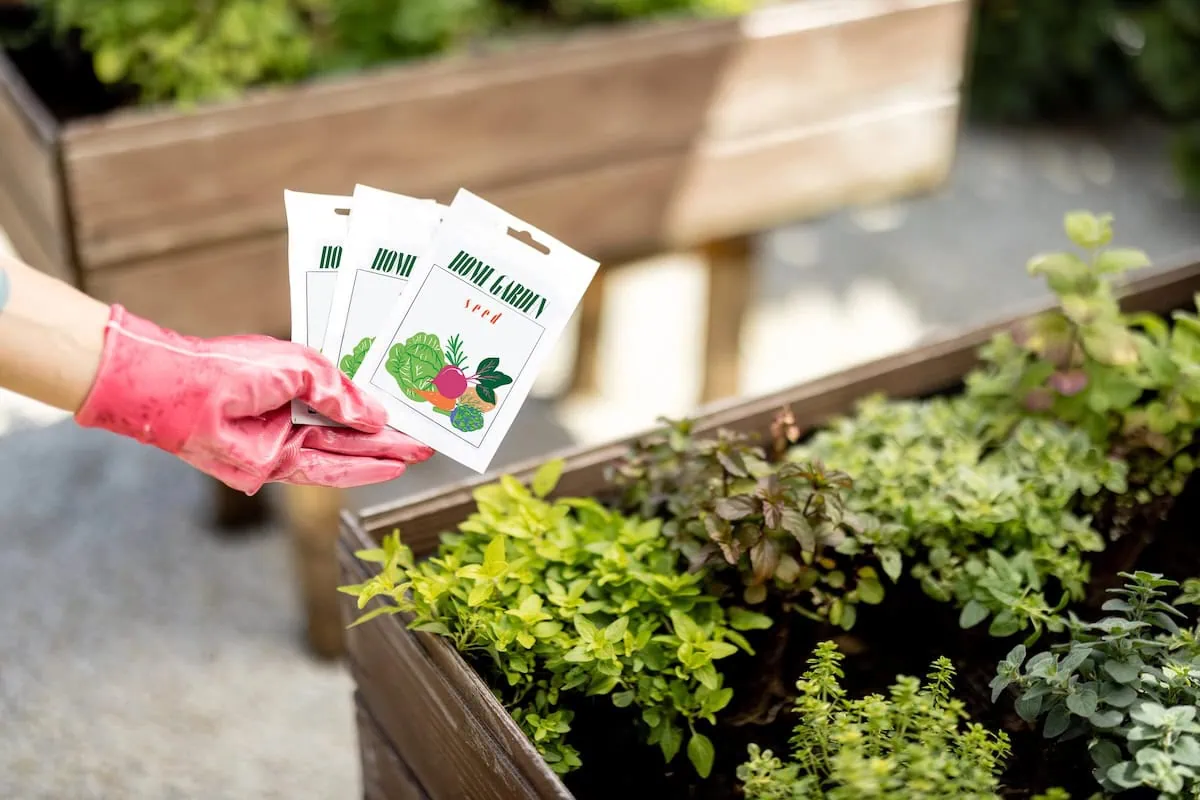
Plant seeds are much cheaper than grown produce. While you’re unlikely to grow every fruit and vegetable your family consumes, starting a garden and just growing a few of your favorites can save you money. For instance, you might grow lettuce, tomatoes, and cucumbers to make your own salads and skip the overpriced salad kits. Excess tomatoes can be turned into pasta sauces or canned for later use. You can also reduce costs on fruits, whether it’s fresh fruits or jam and pie filling. via jam or pie filling.
There is some time and labor involved in gardening, but many people find the savings worth it. Plus, it’s very possible that what you grow is more flavorful than what’s available at the grocery store.
Do you want to get serious about saving and planning for retirement? Sign up for Retire With Riley, Young and the Invested’s free retirement planning newsletter.
15 Best Long-Term Stocks to Buy and Hold Forever

As even novice investors probably know, funds—whether they’re mutual funds or exchange-traded funds (ETFs)—are the simplest and easiest ways to invest in the stock market. But the best long-term stocks also offer many investors a way to stay “invested” intellectually—by following companies they believe in. They also provide investors with the potential for outperformance.
So if you’re looking for a starting point for your own portfolio, look no further. Check out our list of the best long-term stocks for buy-and-hold investors.
Related: 7 Best Vanguard Dividend Funds for 2026 [Low-Cost Income]
What’s better than a smart, sound dividend income strategy? How about a smart, sound dividend income strategy with very little money coming out of your pocket?
If that sounds good to you, you need look no farther than low-cost pioneer Vanguard, which offers up a number of payout-oriented products. Find out what you need to know in our list of seven top-notch Vanguard dividend funds.
Please Don’t Forget to Like, Follow and Comment
Did you find this article helpful? We’d love to hear your thoughts! Leave a comment with the box on the left-hand side of the screen and share your thoughts.
Also, do you want to stay up-to-date on our latest content?
1. Follow us by clicking the [+ Follow] button above,
2. Subscribe to Retire With Riley, our free weekly retirement planning newsletter, and
3. Give the article a Thumbs Up on the top-left side of the screen.
4. And lastly, if you think this information would benefit your friends and family, don’t hesitate to share it with them!