


We’re all familiar with money getting lost between couch cushions or in clothes’ pockets. But it’s not just physical cash that can go missing. Americans have so many financial transactions that it’s easy to lose track of an unreceived refund, insurance payment, or other money you’re owed.
Unclaimed property has been a hot topic of conversation among government representatives as of late. In April 2026, the bipartisan Safeguarding Americans’ Fairly Earned Retirement Act of 2026 (SAFER Act) was introduced. Its goal is to prevent states from seizing savings through escheatment laws. Escheatment is when unclaimed property is transferred to the state. The Act would stop states from escheating “securities, digital assets or non-ERISA retirement accounts unless and until a financial institution confirms the asset owner has died,” according to the Unclaimed Property Professional Organization (UPPO).
But what is unclaimed property? Hint: It isn’t just land or buildings.
Let me give you a brief lesson on what unclaimed property is, then dive into how you can find any missing money or other assets of your own. If you have unclaimed property that’s owed to you, you’ll want to know how to collect it before it’s too late lest your state take your property instead.
Featured Financial Products
What Is Unclaimed Property?

Unclaimed properties are inactive financial assets that have been sent to unclaimed property management programs. Types of unclaimed property include (but aren’t limited to):
- Checking or savings accounts
- Contents of safety deposit boxes
- Stocks
- Insurance payments or refunds and life insurance policies
- Uncashed payroll checks
- Refunds
- Trust distributions
- Utility security deposits
- Annuities
State rules can vary for unclaimed property. For example, unredeemed money orders or gift certificates are considered unclaimed property in some states, but not all.
Make sure you sign up for The Weekend Tea, Young and the Invested’s free weekly newsletter that over 10k monthly readers use to level up their money know-how.
Where Can I Find My Unclaimed Property?
Whether you’re fairly certain you’re owed money or just curious if you have any unclaimed property, there are a variety of databases you can check. Some are more general, while others are more specific.
MissingMoney.com

The National Association of Unclaimed Property Administrators (NAUPA) partnered with U.S. State governments and some Canadian Provinces to provide a free tool for finding unclaimed property. The tool lives on Missingmoney.com. To check if you have any property to claim, do the following:
- Enter your full name or business name and click “Search.”
- Optionally, narrow the search by entering your state and city.
- Skim through the list of possible unclaimed properties to see if any match your full name and current or past addresses.
- If they match, you can click the “Claim” button.
- Once you’ve selected all of your matches, you can click “View Claimed Properties” at the bottom of your screen.
- Use the dropdown menu under “Claimant Relationship.”
- Click “File Claim.”
- Fill out the form.
Once everything is verified, you should receive your unclaimed property.
Related: 8 Best Wealth + Net Worth Tracker Apps [View All Your Assets]
Unclaimed.org
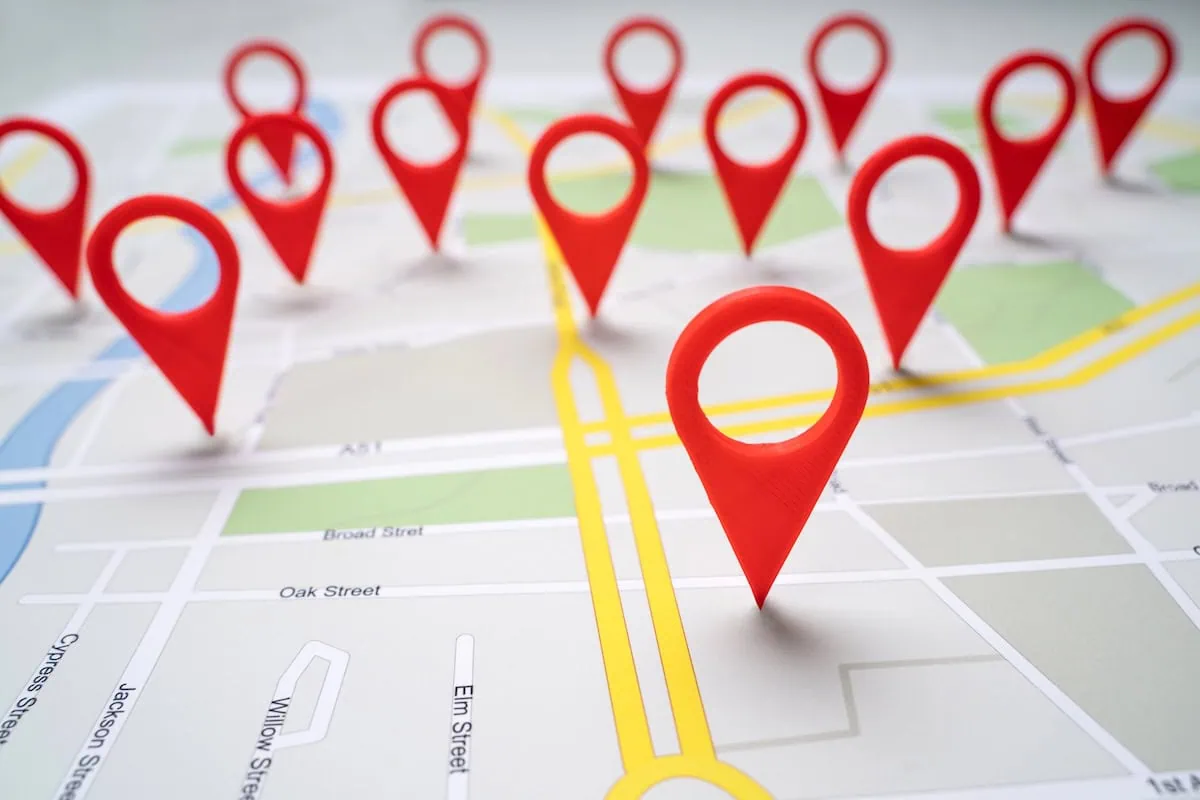
NAUPA also created Unclaimed.org. The site has an interactive map so you can click the state or province you think you may have unclaimed property in. To use Unclaimed.org, click a state on the map. It will then take you to that state’s page (often a .gov address) for searching for unclaimed property. From there, the steps will vary depending on the state you selected.
However, if you want to search multiple states at once, the site suggests you go to MissingMoney.com.
Related: How Much Does Financial Advice Cost?
Specific Unclaimed Property Databases
Missingmoney.com and unclaimed.org are great options if you want a general search to see if you have any unclaimed property. If you have a specific type of unclaimed property you believe belongs to you, you might want to directly search the relevant database. Some of the databases you may want to check include (but aren’t limited to):
- The Department of Labor’s database for unpaid wages
- The Pension Benefit Guaranty Corporation (PBGC) for unclaimed pensions from former employers
- The U.S. Department of Veterans Affairs (VA) database for unclaimed insurance funds for veterans
- The U.S. Department of Housing and Urban Development (HUD) database for refunds from the Federal Housing Administration (FHA)
- The IRS Where’s My Refund search tool for unreceived tax refunds
- Treasury Hunt (by Treasury Direct) for matured savings bonds no longer earning interest
- The U.S. Courts Unclaimed Funds Locator for money owed after a business or person declared bankruptcy.
Related: How to Protect Your Wealth: 10 Proven Strategies
Be Cautious of Scams

Only use legitimate websites when searching for unclaimed property. Carefully check the URL to make sure it isn’t a slightly different address. You can always contact your state’s official unclaimed property office if you’re unsure whether a website is legitimate.
If anybody asks for any payment from you, assume it is a scam. The National Association of State Treasurers (NAST) and NAUPA will never directly contact you about unclaimed property. If you think you’ve been targeted for an unclaimed property scam, contact local law enforcement and report it to NAUPA or NAST.
Related: Elderly Scams: Beware These 15 Schemes Targeting Seniors