



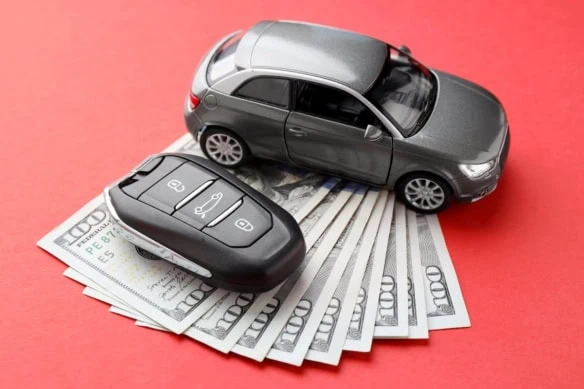
Most people can’t just go out and buy a car without feeling a pinch. It’s typically a major expense—one that many of us must finance over time—so anywhere we can save money when buying a car, we should.
The cost of a new vehicle keeps hitting new records seemingly every month, thanks not just to traditional inflationary costs, but tariffs as well. As I write this, the average marketed cost of a new vehicle for sale at a U.S. dealership is almost at $52,000.
So, how can you minimize the significant (and growing) financial burden of purchasing a vehicle?
Today, I’m going to go over several strategies that will help you save money when you buy a car. Most of these strategies involve lowering the actual purchase cost of the vehicle, though one is a money-saving benefit that kicks in at tax time.
8 Ways to Spend Less on Your Next Car
Many of the things we purchase are “take it or leave it.” The price is the price. You might be able to find a lower price elsewhere, and the price might eventually go on sale, but if you want that thing today, where you are, there’s little you can do.
Not so with vehicles! Cars, while expensive, are among some of life’s costs that you can actually negotiate. And negotiate you should, as doing so can save you hundreds, maybe even thousands of dollars.
Let’s look at some tips that will help reduce the financial hardship of a vehicle purchase.
1. Get a Car That Qualifies for the Car Loan Interest Deduction
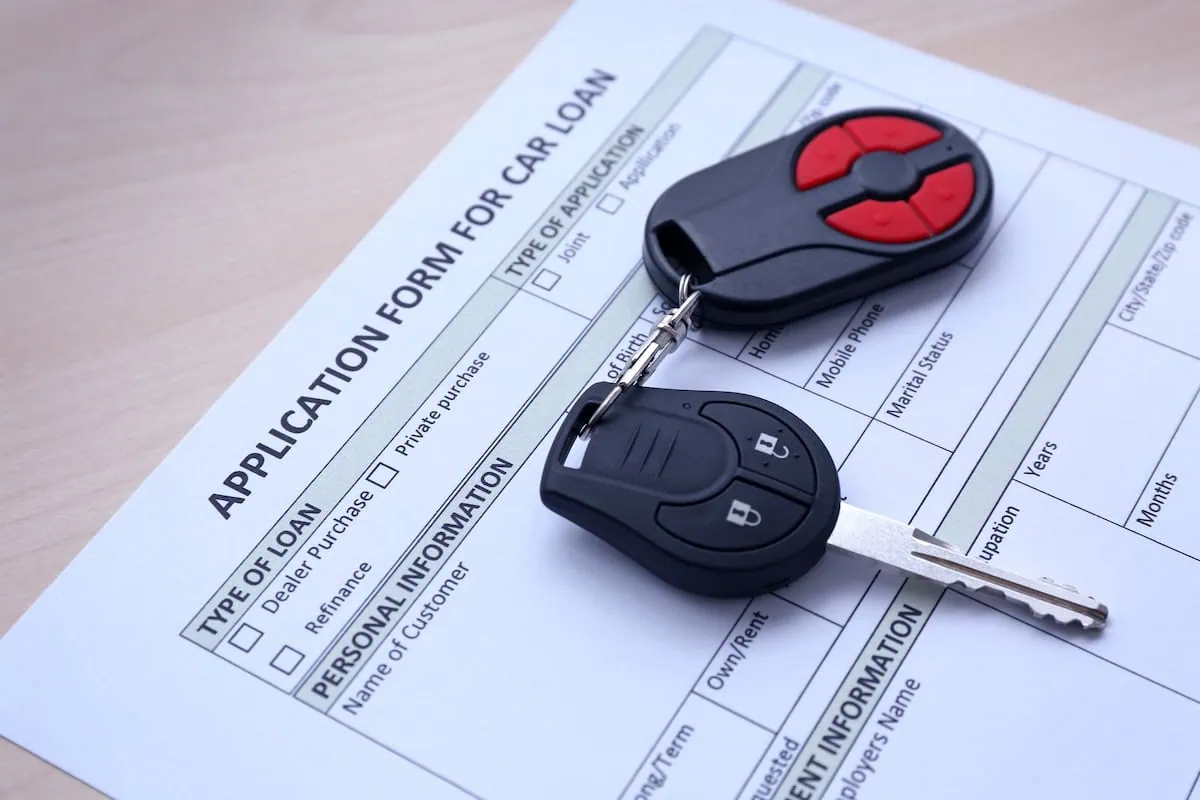
The car loan interest deduction was signed into law in 2025. Typically, you can deduct up to $10,000 of qualified car loan interest per year.
To qualify for the deduction, all of the following must be true:
- It must be a new vehicle. (Though it’s OK if the car has been used for test drives at a dealership.)
- The final assembly point must be the United States.
- The gross vehicle weight rating must be under 14,000 pounds.
- You must intend to drive the vehicle primarily for personal use (over 50% of the time).
- It must be manufactured primarily for use on public roads, streets and highways.
Currently, the deduction is only available through the 2028 tax year, though it might be extended or made permanent later.
Related: 14 Products Hit by Shrinkflation [And Our Tips to Save]
2. Haggle Like a Pro

While the amount of flexibility a dealership has will ultimately boil down to which automotive brand they represent, you can generally consider a vehicle’s sticker price as a starting point for negotiations.
Before you ever step foot into a dealership or meet with a private seller, check websites such as Kelley Blue Book (KBB), CarMax, Carvana, and even other area dealerships to learn about your preferred vehicle’s price range.
Once you do, play it cool. Even if you know you want the exact car they’re selling, explain that you’re going to be test-driving other models from other brands. Imply that while you’re hoping to buy soon, you’re willing to walk away from a number you don’t like.
WealthUpdate Tip: Kyle here. As a general rule, my wife and I sleep on any purchase of more than $1,000, no matter how good the deal. Explaining this to a Chevy dealer once prompted the salesperson to get multiple managers en route to lowering the price four times. We didn’t buy from them because we hated their high-pressure tactics, but if you’re willing to play the game, it can work.
You can also make multiple dealerships compete with one another for your sale. One dealership might try to beat another’s quoted price.
Make sure you sign up for The Weekend Tea, our free weekly newsletter that over 10k monthly readers use to level up their money know-how.
3. Time Your Purchase
When you buy a car can affect how much a salesperson will be willing to negotiate with you.
Salesmen often must hit monthly quotas, so you may be able to get a better deal toward the end of the month. Holidays can be a great time to secure deals, too. Hagglers can also make some hay near the end of the calendar year.
You might also want to try to buy toward the end of a car’s design cycle, if you have that level of timing flexibility. Dealers usually want to sell the last of the old inventory to make room for the new model. You could also try to purchase a vehicle at the end of the model’s life cycle, when an automaker decides to stop building it, as dealers typically offer significant incentives.
Related: Drip Pricing: How You’re Being Tricked [And How to Stop It]
4. Don’t Fall for ‘The Question’

One of the ways a dealership salespeople will set you up from the start is by asking you a single question:
“What monthly payment would you be comfortable with?”
It’s a trick question.
Yes, the monthly payment is likely the most important number to you, and the one that will be in the back of your mind throughout the process. However, that number weakens your negotiation stance.
Most of the research you’ve done almost certainly involves the full selling price of comparable vehicles. When you negotiate on the actual price of the vehicle, the dealer understands that they’re dealing with hard, tangible numbers you have found elsewhere. But when you provide a monthly payment number, you’re stating your realistic budget—they know what you can afford, and they’re going to be less likely to discount a car just because you’d like it to be cheaper. They’ll also be more likely to try to get that monthly number lower by convincing you to pay a larger down payment rather than provide an actual discount.
So no matter how you plan on paying for the vehicle, always discuss the actual purchase price of the car when negotiating—not the monthly payments.
Related: Should I Pay Off My Mortgage Before I Retire?
5. Test for the ‘Pink Tax’

This tip won’t necessarily pertain to a certain percentage of our readers, but it’s pretty important nonetheless.
Car purchases are absolutely subject to the “pink tax.” Insurance agency Jerry calculated how much prices were marked up across the car-ownership cycle. “On average, women pay $142 per year more than men for car ownership, and can pay between $300 and up to $7,800 during the length of ownership,” they found. When it came to buying a new car, women were quoted $117.12 more than men for the exact same vehicle.
If you think a dealership is offering a poor price on a vehicle, and you have a man in your life who’s willing to spend a couple hours helping you out, have that man try to secure a price on the same vehicle and see if they’re given a better quote. If so, you can either choose not to deal with that dealer, or pressure them by revealing that you have both quotes and demanding that they make things right.
Related: 20 Big-Ticket Items Worth Splurging On
6. Trade In an Old Vehicle or Sell It Privately
Americans frequently keep more backup vehicles than they need. So it’s a very real possibility that, if you need a new car, you have an additional vehicle at your disposal.
Selling that vehicle and putting it toward the purchase can help you save in numerous ways. It brings down the upfront price of the car, which will bring down your monthly payments and also reduce the amount of interest you’ll end up owing over the life of the loan. Not to mention, having fewer vehicles can help save a little money on car insurance.
Trading a car into the dealership where you’re also making the purchase is the easiest option—everything will generally be handled in a seamless process. There are also more consumer guardrails when selling to a dealer.
However, dealers will often pay you less than a private buyer will. So if you feel confident in your ability to safely sell your vehicle by yourself, that’s an option.
Vendors such as CarMax or Carvana help for getting price comparisons. (And, if you prefer, they can purchase your vehicle, too.)
Related: 5 Things Retirees Can Do With Their Cars
7. Get a CPO Car

Buying a new car can feel a lot safer than getting a used one. Not only are you less likely to experience wear-and-tear issues, but you’ll typically have a warranty as your backstop.
But remember: Your only options aren’t just “new hotness” or “old and busted.” You can also consider a certified pre-owned (CPO) car.
These vehicles are sold by branded dealerships and are usually only 2- or 3-year-old models returned from a lease. A few benefits of CPOs, besides being newer, include (but aren’t limited to):
- Low mileage
- 1- or 2-year factory-backed warranties that start when the original factory warranty ends
- Issues found during inspection are fixed before you even look at the car
While the purchase price might be higher than an older model bought from a regular used-car dealer, you’re improving your chances of buying a better-conditioned car with a lot more usable life.
Related: Consumers Are Drawing the Line at These Too Expensive Products + Services
8. Do the Math on Financing and Buying Outright

Even if you are in a position to purchase a car outright, you probably still would like to save money where you can. And the question of whether to buy a car outright or finance it might not be as straightforward as you think.
Purchasing a car with a lump-sum payment has the obvious benefit of skipping interest payments, which could save you a substantial amount of money. It also might limit you to buying something more affordable rather than stretching for a luxury vehicle and justifying it by saying you can afford the monthly payments.
But financing has its benefits, too.
You might be eligible for the car loan interest deduction I mentioned earlier. Because dealerships typically prefer that you finance, they’ll sometimes offer special incentives to do so, including rebates, equipment upgrades, and free services. Some people choose to finance to receive the incentives, then pay off the loan as quickly as the terms allow (barring a punitive penalty for early payment, of course). Another option is to finance to get the incentives, but to put down a very large down payment, thus minimizing the monthlies and the overall interest.
Related: 12 Easy Ways to Lower Your Gas Costs