




Do you dream of retiring in a tropical town in Hawaii? Or perhaps you grew up in the hustle and bustle of New York City and want to stay put. As you choose your retirement location, you can’t just consider your lifestyle preferences—you also must factor in where your retirement savings will last long enough.
How much you can stretch your nest egg really varies by state, but a sobering common theme is that seniors in most states are projected to outlive their savings.
Today, I’m going to look at the 10 states that feature the biggest discrepancies between how much they’re expected to spend in retirement and how much they’re estimated to have saved.
Featured Financial Products
Future + Current Retirees’ Thoughts on the Retirement Landscape

Unfortunately, workers’ and retirees’ confidence about having sufficient money to live comfortably in retirement has declined. According to the 2026 EBRI/Greenwald Retirement Confidence Survey, only 3 in 5 workers are confident they have enough money to live comfortably as a retiree. Among their top concerns are the government making substantial changes to the retirement system, and the possibility of an economic recession.
On a positive note, 47% of retirees say their standard of living is “excellent” or “very good,” and about 75% say they can spend money how they want within reason. However, 2 in 5 retirees say their retirement expenses are higher than they anticipated when they initially retired.
There are a variety of reasons workers and current retirees may have differing views on the current state of retirement. One factor that can make a difference is where they live.
Top States Where Retirement Savings May Run Short
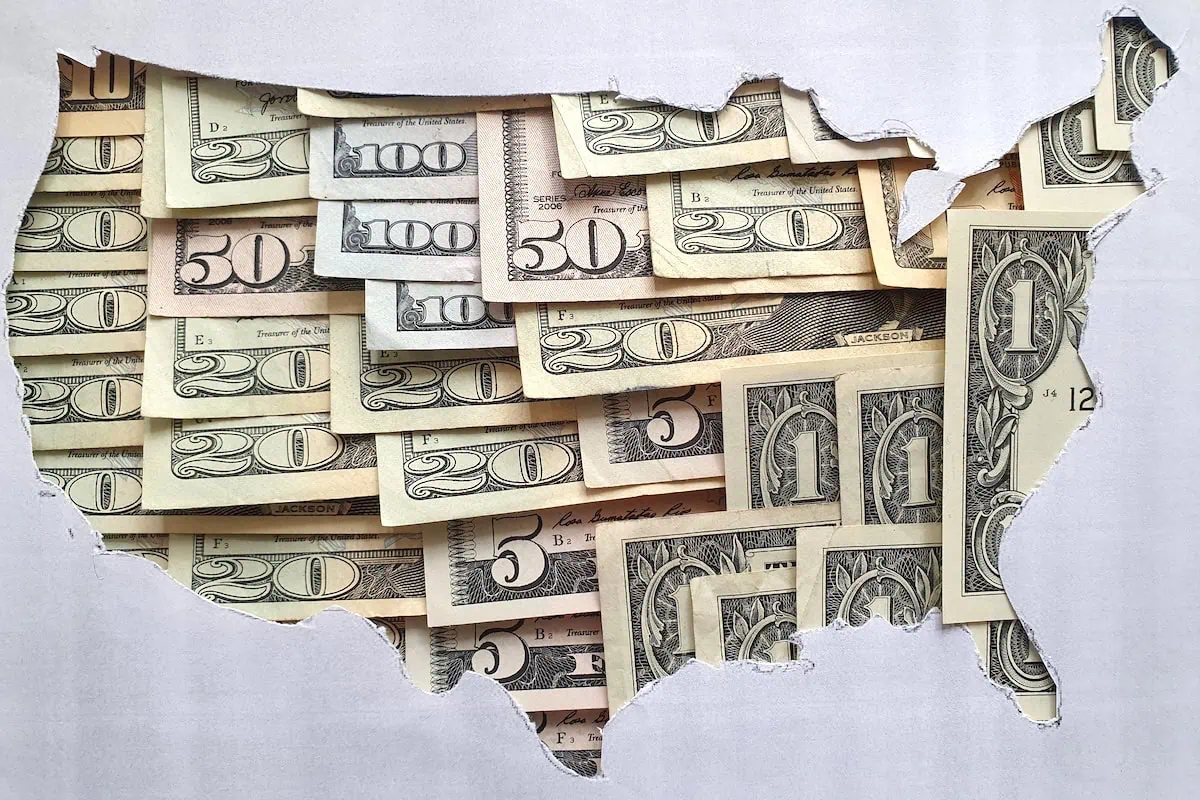
States vary wildly in their overall cost of living—that’s a big part of the story, but it’s not the only one. For instance, “expensive” states might still have low healthcare expenses, or a “cheap” state might tax Social Security benefits. Also, certain cost differences might or might not apply to you—you’ll care a lot about property taxes if you plan on owning a home in retirement, but perhaps not so much if you rent.
While we can’t speak to your specific situation, we can help point out states where retirees seem to struggle to stretch out a buck. Specifically, we’ll highlight which states rank highest for the likelihood you’ll outlive your nest egg, courtesy of data from Seniorly research.
Everyone’s financial situation is different, so if you have ample savings, you might not need to shy away from these states. But if you’re looking for more bang for your retirement buck, consider looking elsewhere.
Here are the states where seniors are most likely to outlive their savings, ranked by (and listed in reverse order of) the expected lifetime shortfall between their income and expenses.
Make sure you sign up for The Weekend Tea, our free weekly newsletter that over 10k monthly readers use to level up their money know-how.
10. Connecticut
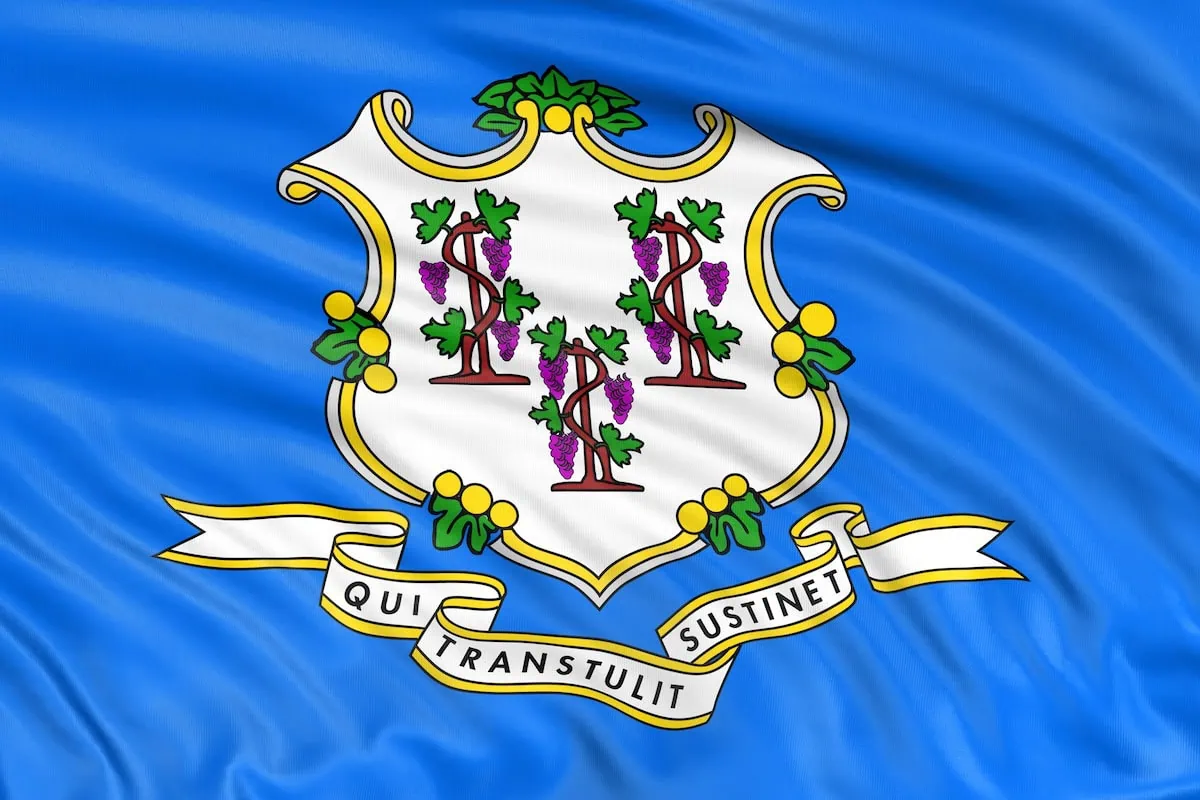
- Expected shortfall: $193,000
What do we mean by “expected shortfall”? Seniorly’s research provides state-by-state data of expected average lifetime retirement income and estimated average lifetime retirement costs.
The average senior-age Connecticut resident, for instance, would be expected to collect $851,000 in income across their retirement lifetime, but their retirement costs would be about $1.04 million—good for a difference of $193,000.
Among the factors driving up Connecticut’s cost of living are food and utility prices. The Constitution State is among the 10 most expensive states groceries, and its residents suffer the sixth-highest utility bills in the nation.
Another consideration outside of traditional cost-of-living expenses is taxes. For instance, Connecticut making is one of the few states that tax Social Security benefits. Residents don’t have to pay tax on their Social Security benefits if they are below certain gross income limits, but those above the threshold are taxed at 25% of either their total Social Security income for the year or their Social Security subject to federal taxes, whichever is lower. Additionally, the median property tax for the state is amongst the highest in the country.
Related: How to Plan for Healthcare Expenses in Retirement
Empower Advisory Group offers a comprehensive wealth management service known as Personal Strategy Investment Services.
This managed account solution provides clients with discretionary investment management, personalized portfolio construction, and access to financial planning support.

9. Louisiana

- Expected shortfall between income and expenses: $244,000
Louisiana’s shortfall has nothing to do with high living expenses—in fact, Louisiana is among the cheapest third of all states to live in.
Instead, it’s because Louisiana has the smallest expected average nest egg in the country. At $479,000, the Pelican State is just one of two states where seniors will have less than half a million dollars to work with.
Part of the issue for at least some Louisiana residents might be low access to employer-sponsored retirement accounts. According to data from The Pew Charitable Trusts, in 2024, a majority of the private-sector workforce (52%) didn’t have access to a retirement savings plan through their employers—much more than the 42% national average.
Related: The Retirement Number Problem: It’s More Than “How Much?”
8. Vermont

- Expected shortfall between income and expenses: $248,000
Vermont residents should have a decent amount saved by retirement with their expected average nest egg of $771,000 sitting within the top half of all states.
But the Green Mountain State is among the third costliest states to live in, mired by housing and transportation costs that sit among the 10 highest in the nation.
It’s also worth noting, beyond the realm of standard cost-of-living expenses, that Vermont taxes Social Security benefits for people above a set income threshold. Plus, property taxes are well above the national average. High-net-worth individuals (HWNIs) should also know that the state taxes estates worth $5 million or more at a 16% rate.
Related: Revocable Trust vs. Irrevocable Trust: Which Should You Use?
7. Rhode Island

- Expected shortfall between income and expenses: $284,000
Rhode Island has a nasty combination of bottom-half expected retirement incomes ($676,000) and top-half estimated costs ($960,000). Groceries and housing costs are well above average, and utility costs are among the worst in the U.S.
For your overall financial planning outside of living expenses, keep in mind that this is yet another state that taxes Social Security benefits. Like Connecticut, you aren’t taxed on your benefit if your federal adjusted gross income is below a certain threshold. If you exceed the income threshold, however, The Ocean State taxes your payments to the same extent they’re taxed at the federal level.
Related: 11 Ways to Avoid Taxes on Social Security Benefits
6. Massachusetts

- Expected shortfall between income and expenses: $294,000
If you thought California was the most expensive place to live in the country, you’re close—but a couple of states top it. Massachusetts is the costliest state on the continent, with retirees expected to shell out $1.31 million over their lifetimes. You can blame top-five housing, utility, and healthcare costs for that.
Another consideration: Life expectancy. Seniorly looked at state-level life expectancy figures (at age 65) from the Centers for Disease Control and Prevention, as the number of years you spend in retirement will naturally raise how much you end up spending. The Bay State has the second-highest life expectancy in the nation, at 79.8 years.
To its credit, Massachusetts seniors are expected to have a little more than $1 million to work with … it just simply might not be enough to keep up with the state’s lofty costs.
Related: 10 Common Social Security Mistakes You Should Know
Featured Financial Products
5. California

- Expected shortfall between income and expenses: $337,000
The housing market in California is certainly responsible for why seniors expect to outlive their savings in this state. The Golden State has the third-highest housing expenses in the nation. In fact, in our list of the most expensive cities to buy a house in, five of the top 10 cities are located in California. Residents also face top-three transportation and grocery costs.
The result is the third-highest expected retirement costs, at $1.26 million, against just the ninth-best expected retirement income, at $926,000.
Related: 5 Social Security Moves Every High-Net-Worth Individual Should Know
4. Alaska

- Expected shortfall between income and expenses: $342,000
Alaska’s remote geography results in extremely high prices that make the Last Frontier one of the five most expensive states in the nation. It’s No. 4 in transportation expenses, No. 3 in housing costs, and No. 2 in grocery and healthcare prices.
But while the state’s retirement costs are estimated to eclipse $1 million, Alaskans on average are expected to have just $712,000 to work with.
Related: How to Save Money on Groceries: 12 Commonsense Tips
One specific but still noteworthy issue facing Alaskans comes from the public sector.
While less common than before, there are still many jobs that offer pensions. Educators and other public employees are among those most likely to receive pensions … outside of Alaska, that is. In 2006, Alaska’s public pension program was eliminated, which contributes to retirement savings struggles. House Bill 78 attempted to reverse that decision, but the bill was vetoed.
An analysis by the Chief Investment Officer of the State of Alaska found that after working a 30-year career, as many as three-fourths of the teachers retirement system (TRS) could run out of retirement savings 20 years into retirement and have no Social Security to help out.
Do you want to get serious about saving and planning for retirement? Sign up for Retire With Riley, our free retirement planning newsletter.
3. Washington, D.C.

- Expected shortfall between income and expenses: $407,000
Residents of the nation’s capital not only suffer from some of the highest taxes in the nation (without the benefit of full representation in Congress)—they also face staggering prices in most major spending categories. Top-five housing, healthcare, and grocery costs make D.C. more expensive to live in than all but three states, with a cost of living that’s 40% higher than the national average.
Combine more than $1.1 million in estimated retirement costs with just $736,000 in expected income, and you have one of the biggest projected shortfalls in America.
Related: Should Retirees Move? 10 Considerations
Empower Advisory Group offers a comprehensive wealth management service known as Personal Strategy Investment Services.
This managed account solution provides clients with discretionary investment management, personalized portfolio construction, and access to financial planning support.
2. Hawai’i

- Expected shortfall between income and expenses: $417,000
The good news? Hawai’ians are expected to have more saved up than anyone else in the U.S., at more than $1.3 million.
The bad news? The Aloha State, which needs to import just about everything, is the most expensive place for Americans to live.
Housing? No. 1. Groceries? No. 1. Utilities? No. 1. Transportation? You guessed it. The only major category where Hawai’i doesn’t lead is healthcare, where it’s still in the top 5 for costs. Honolulu, the capital of Hawaii, has the highest cost of living for any city for which the Council for Community and Economic Research (C2ER) has data.
One of the only silver linings is that part of Hawai’i’s expected $1.74 million in average retirement costs comes from the top life expectancy in the U.S., at a full 80 years.
Related: 10 Best 401(k) Alternatives [If You Can’t Get One At Work]
1. New York

- Expected shortfall between income and expenses: $448,000
Everyone is generally aware of how expensive New York City is, led by housing costs that are more than triple the national average.
But the Empire State as a whole is an expensive place to retire, with Seniorly estimating that residents will need $1.1 million to get by. While you’ll pay more on average for just about everything, housing is the state’s biggest burden, too, with prices sitting 72% higher than the national average.
Those exorbitant costs likely make it difficult to build up much of a nest egg. New Yorkers’ expected average retirement income of $670,000 is in the bottom third of the nation, resulting in an unparalleled retirement shortfall.
Related: Downsizing in Retirement? 10 Tips to Follow
Where Will People Have More Than Enough Savings to Retire?

Seniorly found just nine states where seniors are expected to have more retirement income than they’re expected to spend throughout their lifetimes:
- Washington: $146,000 surplus
- Utah: $121,000
- Montana: $43,000
- Colorado: $38,000
- Iowa: $32,000
- Minnesota: $23,000
- Maryland: $13,000
- Kansas: $8,000
- South Carolina: $2,000
Related: Do These 10 Home Renovations Before You Retire